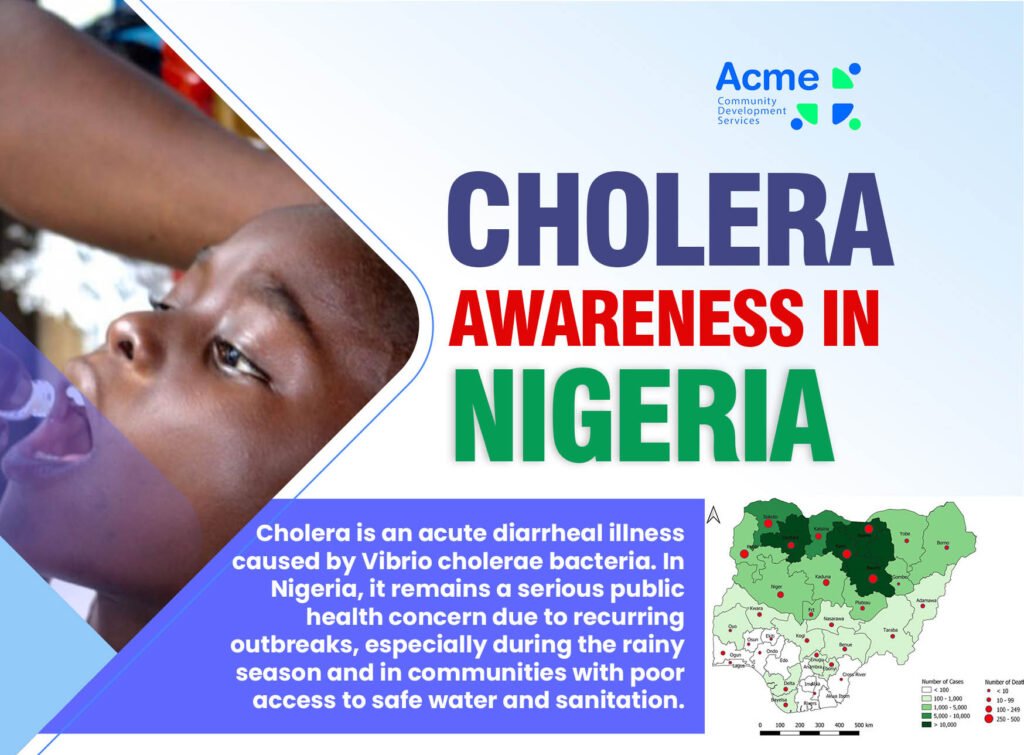
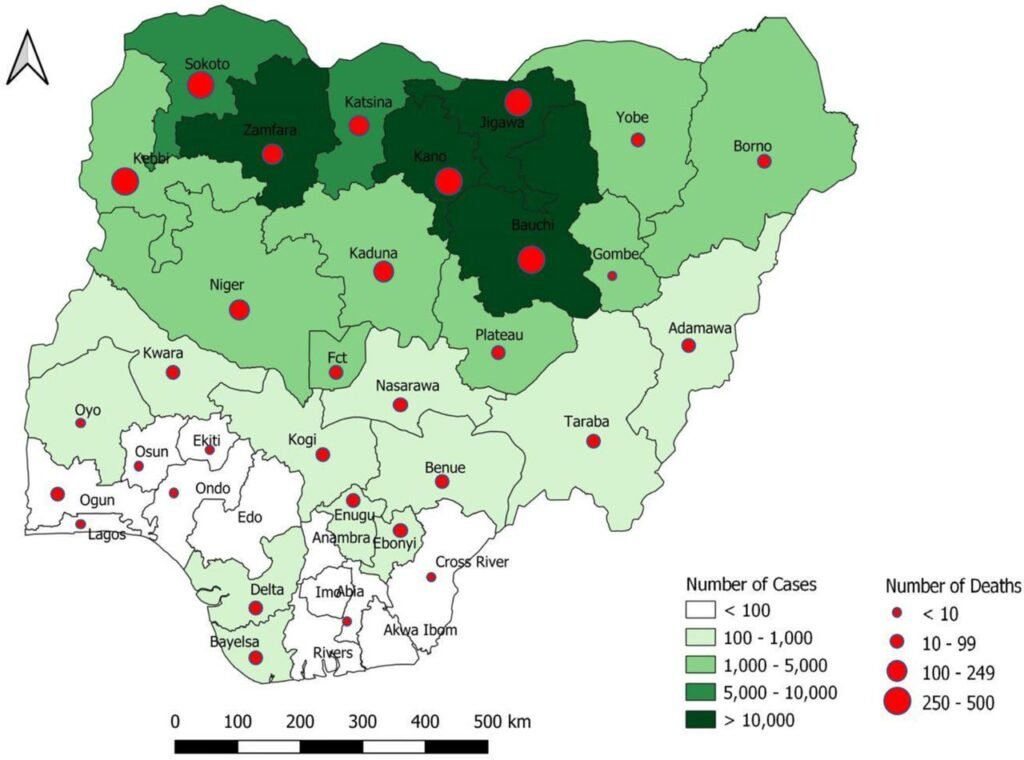
Cholera is an acute diarrheal illness caused by the infection of the intestine with the bacterium Vibrio cholerae. Symptom watery diarrhea, vomiting, rapid dehydration, muscle cramps, and in severe cases, shock as a result of dehydration or low blood pressure. In Nigeria, cholera remains a serious public health concern due to recurring outbreaks, especially during the rainy season and in communities with poor access to safe water and sanitation.
The main causes in Nigeria include:
Contaminated Water Sources: Rivers, lakes, untreated wells, poorly maintained boreholes, boreholes close to latrines and waste dumps, and public water supplies that are not adequately chlorinated.
Poor Sanitation: Open defecation in fields, waterways, drainage/gutters, and bushes. Overflowing or poorly managed pit latrines and blocked drainage systems allow sewage to mix with water.
Inadequate Hygiene Practices: Failure to wash hands after using the toilet or before meals, preparing food with dirty utensils or on contaminated surfaces, rinsing fruits and vegetables with unsafe or untreated water.
Contaminated Food: Street-vended food prepared in dirty environments, raw or undercooked seafood from polluted waters, and leftover food stored at unsafe temperatures.
Overcrowded Living Conditions: Refugee camps, slums, and shanties.
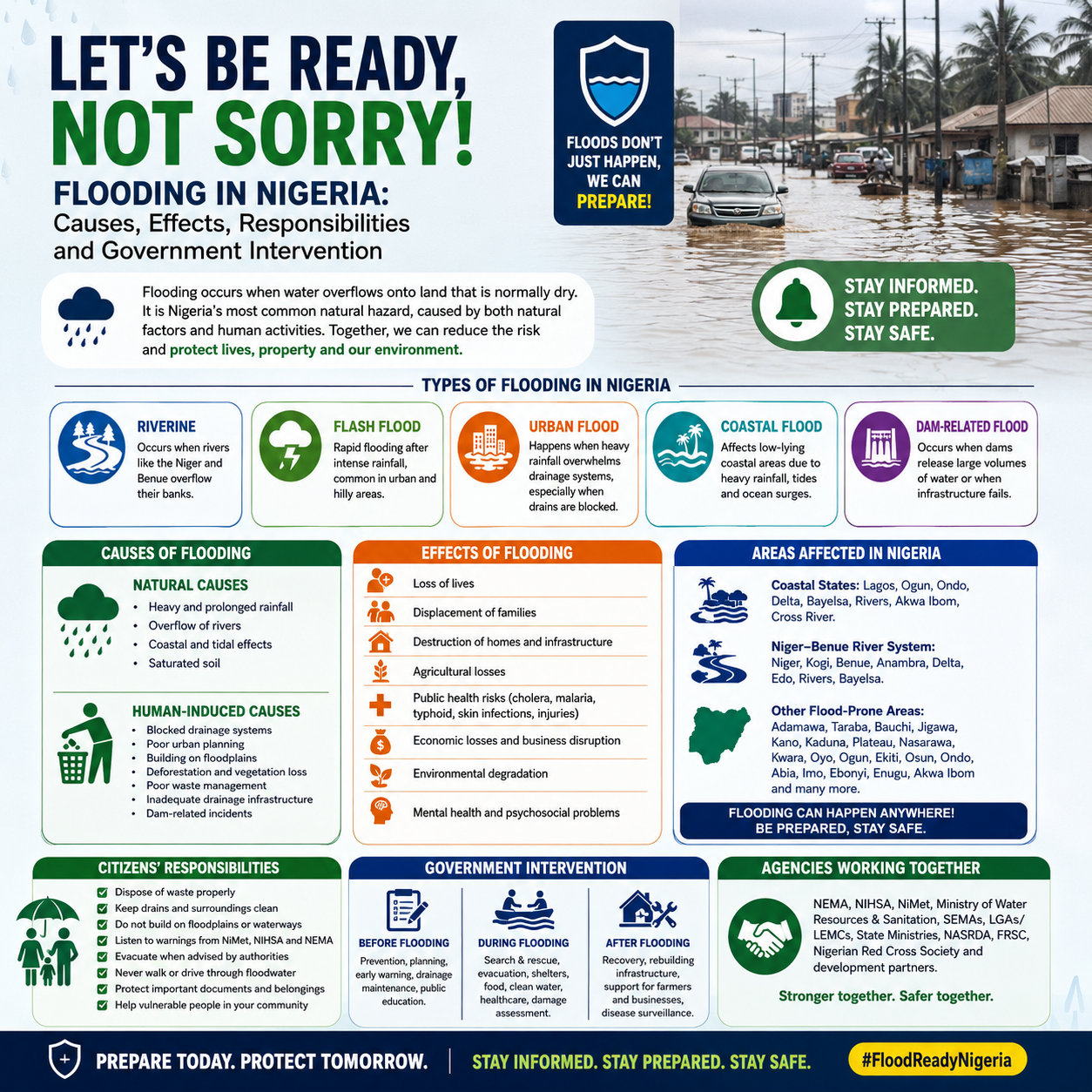
Seasonal & Environmental Factors Heavy rainfall and flooding (especially June–September) that spread waste into water supplies and drought, forcing people to use unsafe sources.
2. Why Cholera Persists in Nigeria
Poor sanitation and open defecation – Contaminates water sources.
Unsafe water supply – Rivers, wells, and sometimes even boreholes get polluted.
Overcrowding in informal settlements – Facilitates rapid spread.
Flooding – Washes human waste into drinking water systems.
Weak health infrastructure – Slow response in detection and containment.
Low public awareness – Poor knowledge of prevention and early treatment.
3. Major Causes of Current Spikes
Heavy rainfall and flooding.
Contaminated public water systems.
Insufficient chlorination of water.
Poor waste disposal and blocked drainage.
Inadequate hand hygiene practices.
4. Why Cholera Kills
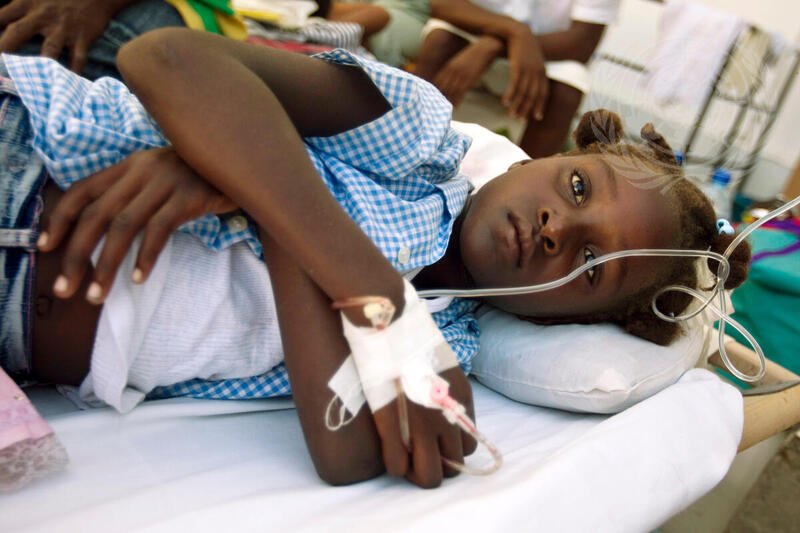
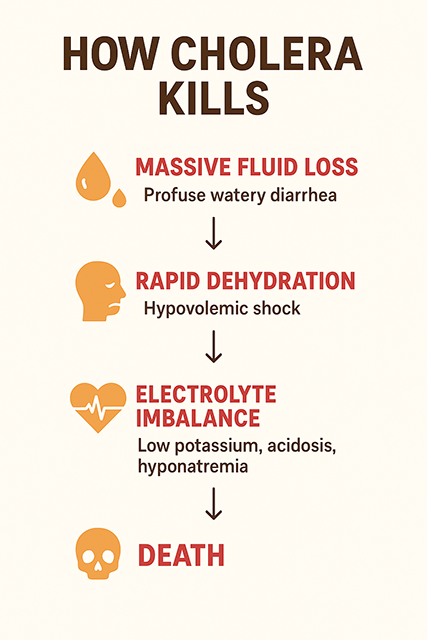
Cholera kills primarily through rapid dehydration caused by severe diarrhea and vomiting. Without immediate rehydration therapy (oral or intravenous), death can occur within hours
A Community focused NGO with health ambassadors reaching every corner, identifying health needs, and addressing social determinants of health through strong community partnerships and sustainable innovations
+(234) ACME 000
info@acmecodes.org
Block ‘B, Second Floor, AUJ Complex, Plot 564/565 Independence Ave, Central Business District, Abuja 900103, Federal Capital Territory